Slaves of Rome, however, was destined poor food consists of bread and half a pound of olives and olive oil a month, with some salted fish, rarely a little meat. The Roman tradition soon clashed with the style of food imported from the culture of the Germanic peoples, mainly nomads, living in close harmony with the forest, derived from the same, with hunting, farming and gathering, most of the food resources. Raised pigs of fat, widely used in the kitchen, and grew vegetables in small gardens close to the camps. The clash of these two cultures produced their partial integration so even the eating habits merged in part. However, the Roman culture showed itself unwilling to change the style of “Mediterranean” of feeding with that barbaric. The key elements of the Mediterranean diet, which is the triad oil bread and wine, were exported instead in regions of continental Europe by the monastic orders, which migrated in those regions to evangelize those peoples.
Lifestyle and Mediterranean diet
“Olive oil is one of the cores of the of the Mediterranean diet as a primary source of healthy fat, but you can replace that with a similar oil like grapeseed oil or sesame oil or another heart-healthy, fun saturated fat like nuts or avocado,” she said. “And you can take those principles and adapt them to other cuisines by adding the vegetables and whole grains from that country or region, lowering the red meat [intake] and eating more efficient plant proteins.” If you’re looking to eat healthier but aren’t sure where to start, this beginner-friendly Mediterranean diet meal plan is /reviews/unimeal.com a great choice. We aim to keep the plan simple by repeating breakfast and lunch options, occasionally using leftovers for dinner and choosing Mediterranean diet recipes that don’t have super-long ingredient lists or a ton of steps.
Heart Disease in Women Is Often Different Than In Men
You can fill up on tons of veggies, fruits, whole grains and beans; enjoy lean proteins such as seafood, chicken and eggs; and indulge in sweets and the occasional glass of wine. One of the key benefits of the Mediterranean diet is that it is anti-inflammatory and can help maintain healthy cholesterol and blood pressure levels, as well as support good gut bacteria. A recent study even found that adherence to a Mediterranean diet may vastly improve both mental and cognitive health. Because the Mediterranean diet doesn’t ban whole food groups like many other diets, adherents may find it less restrictive and, therefore, more sustainable over the long haul. But the same upside that makes some people consider the Mediterranean diet feasible can also be a drawback for those who need a more measured and specific approach to monitoring their food intake on a daily and weekly basis. What’s more, if you have food sensitivities to any of the diet’s staples, it may not be for you.
Dressing fats
For instance, you’d choose a pizza piled high with veggies rather than a sausage and pepperoni version. Filling up on fresh fruit and vegetables will allow you to build volume into meals for fewer calories. People eat leafy greens, like arugula, are eaten in abundance under this eating approach. Mediterranean-like diets that include the regular consumption of leafy greens have been shown to reduce the risk of Alzheimer’s disease, according to a study.
It’s important for athletes to properly nourish their bodies for top performance. But different sports and events require varied yet balanced eating patterns. It’s important to create health-related goals that are easy to maintain. Here are some simple switches you can make today that can have a big impact on your overall health. Some data suggests that maybe even that’s questionable, but certainly it’s about the pattern and not just one particular food or meal.
U.S. News & World Report has named it the best overall diet for six years in a row. It’s also tied as the best diet for bone and joint health and the best family-friendly diet. Part of developing the Med-South program involved cataloging nearby resources related to eating, physical activity, medication assistance and other wellness resources that could help support behavior changes.
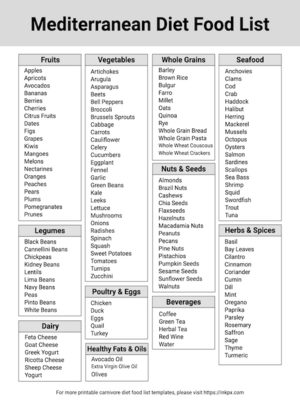
A 7-day sample Mediterranean-style diet meal plan
While this diet emerged naturally in a particular part of the world, recognition of the diet and the term “Mediterranean diet” is credited to Ancel Keys, an American scientist. Keys was one of the first to note a link between diet in the Mediterranean and improved heart health. The diet has since been well studied, with proven benefits for heart health, longevity, and a wide range of other health conditions. Morze J, Danielewicz A, Przybylowicz K, Zeng H, Hoffmann G, Schwingshackl L. An updated systematic review and meta-analysis on adherence to mediterranean diet and risk of cancer. Research studies have also shown that the Mediterranean diet promotes improved cognition and memory and may help to prevent cognitive decline and reduce the risk of Alzheimer’s disease.
Mediterranean diet health benefits
- Studies have linked the diet to lower cardiovascular risk and several other health benefits.
- Not all treatments or services described are covered benefits for Kaiser Permanente members or offered as services by Kaiser Permanente.
- One study of over 10,000 women ages 57 to 61 found that women who followed a Mediterranean-type eating pattern were 46% more likely to live to 70 or older without chronic disease.
- This therapist directory is offered in partnership with BetterHelp.
- In particular has been put into evidence a remarkable decrease of abdominal circumference, an increase in high density lipoprotein (HDL), a decrease in triglycerides, a lowering of blood pressure and a decrease in the concentration of glucose in the blood (16,17).
- “Vegetables, fruits, legumes, herbs, and spices” — which the Mediterranean diet is full of — “contain bioactive compounds that can help protect DNA from damage and possibly slow cellular aging,” Dr. Li says.
It also appears to reduce the risk of obesity and helps maintain a healthy weight. The MedDiet offers a balanced, non-restrictive eating plan that is, as it happens, the typical diet in two of the five so-called ‘blue zones’ – locations renowned for healthy ageing and lower rates of disease. The inclusion of healthy fats also contributes to feelings of satiety. Omega-3 fatty acid — an unsaturated fat found primarily in fish, walnuts, and soybeans — has been shown to improve cells’ ability to process blood sugar and lower harmful LDL cholesterol and triglyceride levels, Dr. Li points out.
Milk and dairy products
For more about how we report, write, and fact check our stories, please see our editorial policy. “Vegetables, fruits, legumes, herbs, and spices” — which the Mediterranean diet is full of — “contain bioactive compounds that can help protect DNA from damage and possibly slow cellular aging,” Dr. Li says. Search for tips on adopting the Mediterranean diet, and you’ll come across a slew of books, articles, and blogs published within the past two decades.
What Are the Mediterranean Diet’s Health Benefits?
Dairy products, nuts, and seeds (as well as some whole grain products) also contribute to many Mediterranean dieters’ protein intakes. The American physiologist and researcher Ancel Keys shaped our modern understanding of the Mediterranean diet, especially its health claims. Moderate amounts of red wine (one drink a day for women; two for men) certainly has unique health benefits for your heart, but drinking too much has the unimeal application opposite effect. Anything more than two glasses of wine can actually be bad for your heart.
Roasted Salmon with Chickpeas, Zucchini, and Red Peppers
Blue Zone studies—which examine the world’s longest-living populations—consistently highlight Mediterranean-style diets as a factor in healthy aging. These populations enjoy lower rates of chronic disease and better overall quality of life well into their 80s and 90s. Mild to moderate wine consumption, often with meals, is typical of the Mediterranean diet but is considered optional.
This article is based on a feature originally published in the British Heart Foundation’s Heart Matters magazine. Consider that your excuse to whip up a fun variation on the chickpea dip. Roll up all the colorful components of a Greek salad (cherry tomatoes, red onions, crumbed feta) into a whole-wheat wrap for a grab-and-go take on the classic. It also means being physically active and sitting down at the table with your family and friends to enjoy your meal. Take the assessment and get matched with a professional, licensed therapist. The Mediterranean diet has its origins in a portion of land considered unique in its kind, the Mediterranean basin, which historians call “the cradle of society”, because within its geographical borders the whole history of the ancient world took place.
Heart-Healthy BBQ with Veggies and Rice
When they sit down for a meal, they don’t sit in front of a television or eat in a rush; they sit down for a relaxed, leisurely meal with others, which may be just as important for your health as what’s on your plate. Typically, Mediterraneans don’t eat a huge plate of pasta the way Americans do. Instead, pasta is usually a side dish with about a 1/2-cup to 1-cup serving size. The rest of their plate consists of salads, vegetables, fish or a small portion of organic, grass-fed meat, and perhaps one slice of bread. The amount of protein contained in the food group is equal to 18–20% of the total weight, with higher values for preserved meats (salami), where it may reach up to 37% due to the loss of water consequent to drying. The type of cereals consumed, as well as the modes of transformation, assumes different facets depending on the geographical connotations and traditions that characterize the populations of the countries bordering on the Mediterranean.