A 2020 study found evidence to suggest that red ginseng may reduce hangover symptom severity by reducing the ethanol concentration in the blood. Research shows that hangovers generally last for about 14 to 23 hours, with some extending up to about the 72-hour mark. But on average, a hangover should end about 12 hours after stopping drinking. “Drinking too much or binge drinking on a single occasion or over time can take a serious toll on your health,” says Valerie Agyeman, RD, a dietitian at Flourish Heights, who specializes in women’s health. These are a few specific ways in which alcohol can impact different parts of your body. “Hangovers are somewhat poorly understood from a medical standpoint,” says Fred Goggans, MD, the medical director of McLean Hospital’s McLean Borden Cottage in Camden, Maine.
Rehydrate Properly (Electrolytes > Just Water)
These delayed effects often mimic the fatigue, malaise, and anxiety of a hangover, leading to the belief can a hangover last 2 days that the symptoms have persisted. However, the feeling of being unwell can extend into the second day, suggesting the symptoms are real even if the underlying cause has shifted. This phenomenon is often mistaken for a prolonged hangover, but it is actually the manifestation of post-acute physiological adjustments.
Sleep Disruption Extends Hangover Effects

Avoid darker drinks like rum and whiskey as they can especially irritate blood vessels and make a hangover worse. Fizzy drinks also worsen hangovers by increasing the absorption of alcohol into the body,’ Dr Tang advises. If you have, however, woken up this AM with the distinct feeling that your nausea, headache and general off-kilter vibe has stuck around two days after you last imbibed, know that you’re not alone.

Underlying Health Conditions
- Plus, hangovers tend to be more severe after drinking on an empty stomach.
- Our metabolism slows down and our immunological responses are altered – so yes you will certainly experience differences the older you get,’ says Dr Haq.
- And acetaminophen (Tylenol, others) may cause serious liver damage if taken with too much alcohol.
- Read on to discover easy, actionable tips to ease your discomfort and get back on track faster after overdoing it.
You may feel drunk after drinking even a small amount of alcohol. Maybe it requires you to start drinking water more frequently while you’re out – or, maybe you have poor alcohol management and you drink too much, too fast. Waking up with a hangover after a night of drinking is a pain most of us have felt before. No one enjoys dealing with that pounding headache, nausea, and mental haze that make even the simplest of tasks seem impossible. Choosing lighter-colored spirits, which generally contain fewer congeners, might also reduce symptom intensity. Ensuring adequate sleep both before and after Sober living home drinking supports recovery.
- This time it lasted to the night and I decided to go to the doctor the next day worried that my liver was giving up or something else serious was wrong with my body.
- This is unlikely to elevate your blood alcohol content to a level where it would come back down substantially, so giving you the symptoms of a hangover.
- Eating a substantial meal before drinking can slow alcohol absorption.
- The worst-case scenario is you’ll end up with a two-day hangover, rather than a usual one that typically lasts 24 hours.
- And this, on top of mineral imbalances (from the influx of booze and loss of fluids and electrolytes), can slow how fast your body detoxifies itself, he explains.
Tips for next time
- PPIs are a group of drugs that reduce gastric acid production significantly and this gives the inflamed stomach lining a better change of healing.
- Halloween candy can give you a ‘sugar hangover.’ Experts weigh in on how much is too much.
- Lifestyle tweaks like these help your body process alcohol more efficiently to avoid a drawn-out hangover.
- Over time, increased tolerance, addiction, and alcohol withdrawal symptoms all boil down to the way alcohol messes with your brain’s chemistry.
One major contributor is the toxic metabolite acetaldehyde, produced when the liver breaks down ethanol. Alcohol increases urine output leading to loss of fluids and electrolytes. Without proper rehydration, symptoms like headache and muscle weakness can persist for up to two days. According to a recent study, a person with type 1 diabetes will likely experience hypoglycemia after drinking alcohol.9 Hypoglycemia https://aucklandcleaningteam.com/what-is-the-peyote-cactus-and-is-it-legal/ is a dangerous condition characterized by low blood sugar levels.
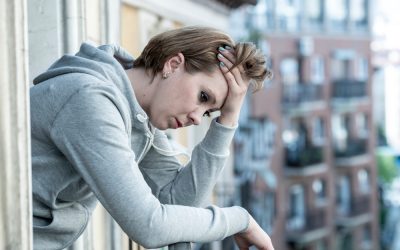
If symptoms worsen, do not improve after several days, or are atypical for a hangover, consult a healthcare provider. When a hangover extends beyond 24 hours, symptoms can become persistent and debilitating. Persistent fatigue and lethargy are common, impacting daily functioning. A lingering headache or migraine can continue, often with increased sensitivity to light and sound. If you take any medications, always check with your healthcare provider before drinking alcohol to avoid negative interactions that may prolong your hangover.